Furniture is more than just functional; it’s an expression of art, design, and innovation. Throughout history, certain furniture pieces have transcended trends and become timeless icons. These pieces reflect the genius of their creators and remain staples in interior design to this day. Let’s explore five iconic furniture pieces and the brilliant minds behind them.
1. The Eames Lounge Chair by Charles and Ray Eames
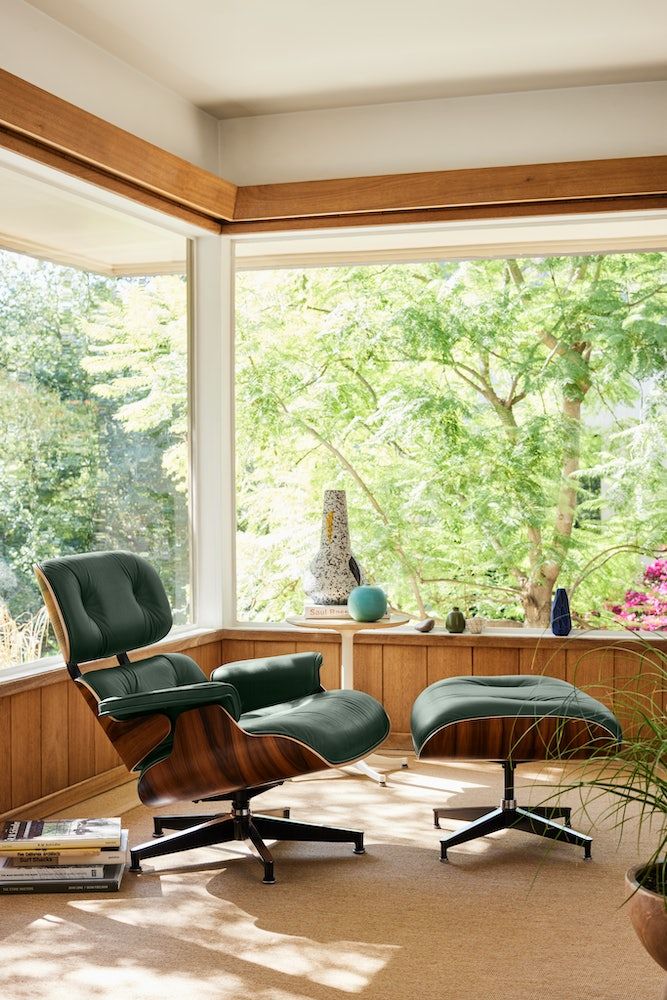
The Eames Lounge Chair, designed by the husband-and-wife duo Charles and Ray Eames in 1956, is a masterpiece of comfort and elegance. Inspired by the English club chair, this piece combines a sleek modern look with luxurious comfort. The chair features a molded plywood shell and leather upholstery, making it both lightweight and durable. Its ergonomic design ensures maximum relaxation, while its timeless aesthetic fits effortlessly into any modern or traditional interior.
Charles and Ray Eames aimed to create a chair that felt like a “well-worn baseball mitt.” The result was not just a chair but an icon of mid-century modern design that remains highly sought after today.
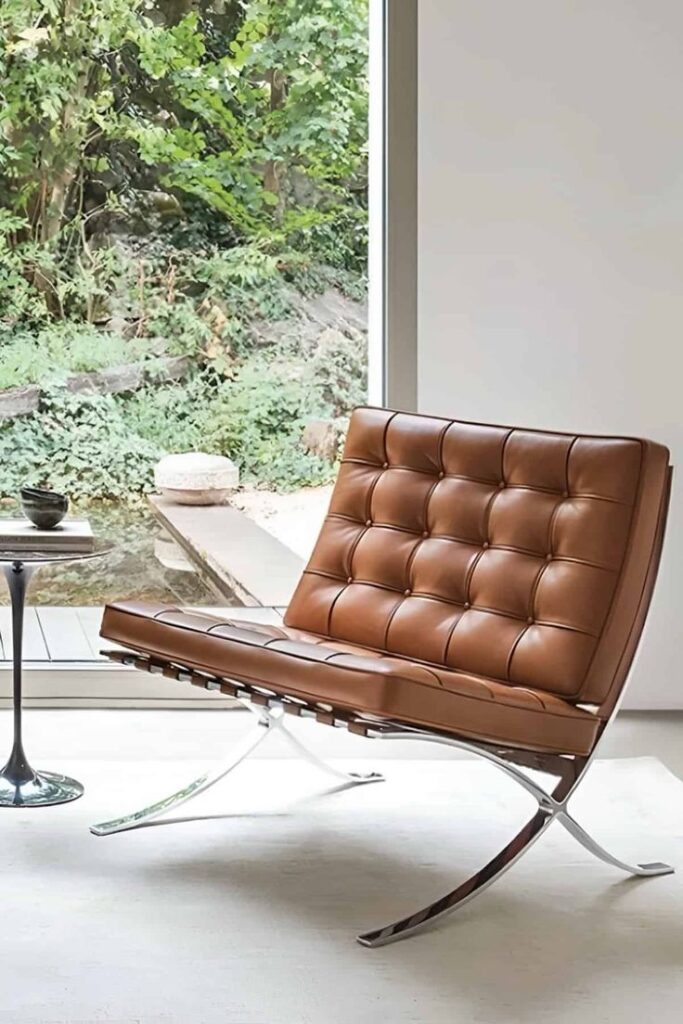
2. Barcelona Chair by Ludwig Mies van der Rohe
Designed in 1929 for the German Pavilion at the International Exposition in Barcelona, the Barcelona Chair is a symbol of modernist design. Ludwig Mies van der Rohe, a pioneer of the Bauhaus movement, created this chair to reflect his “less is more” philosophy. The chair’s minimalist design features a chrome steel frame and leather cushions, exuding sophistication and simplicity.
The Barcelona Chair’s sleek lines and luxurious materials have made it a favorite in both residential and commercial spaces. Its timeless appeal continues to inspire designers around the world.
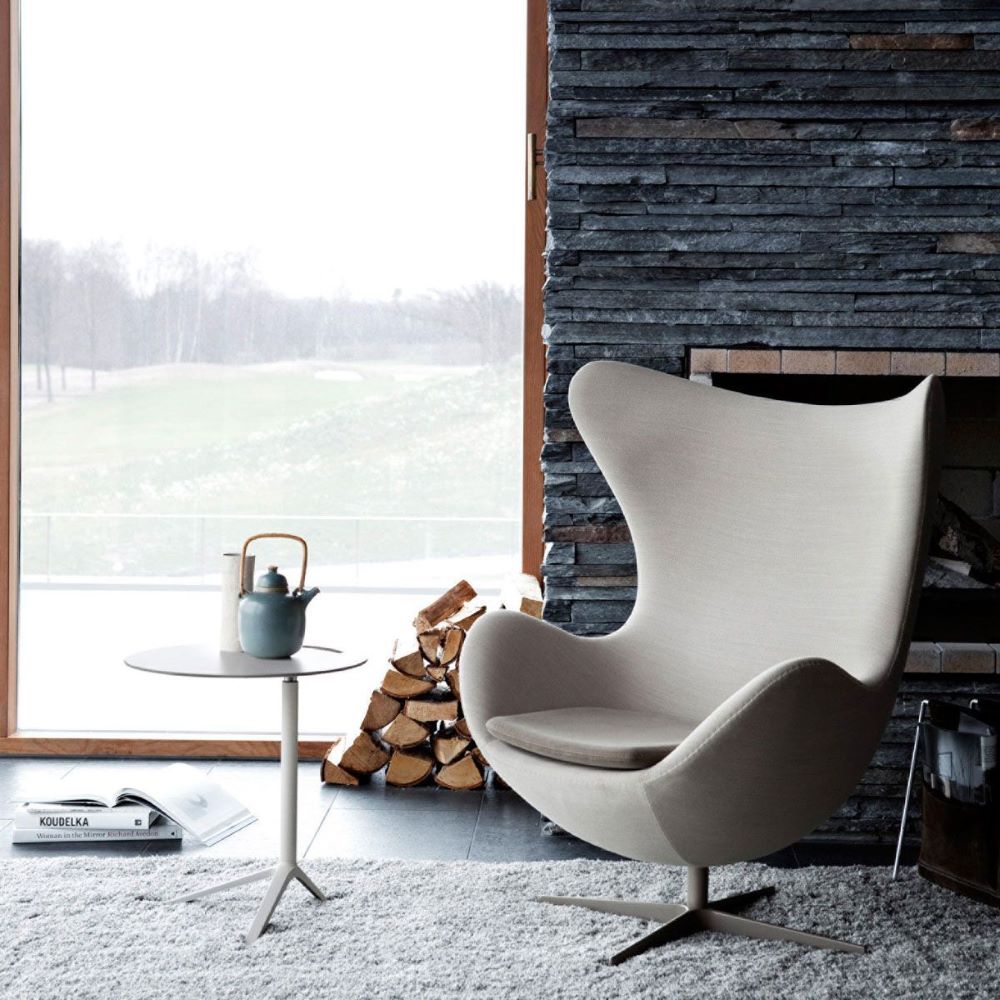
3. Egg Chair by Arne Jacobsen
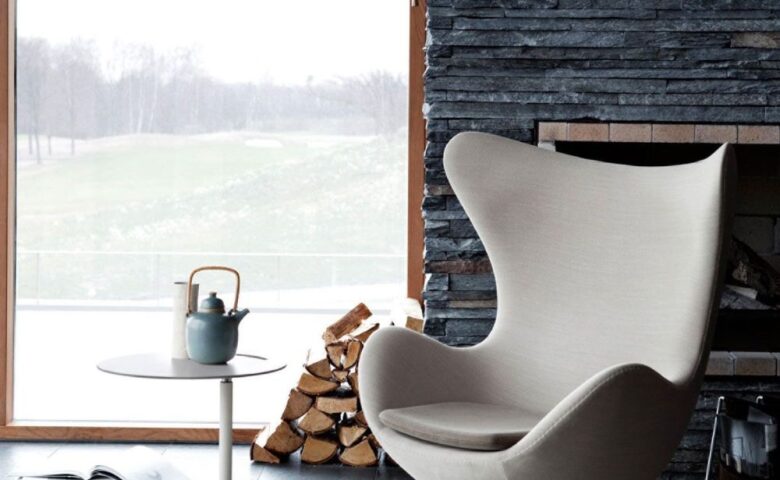
The Egg Chair, designed by Danish architect and designer Arne Jacobsen in 1958, is a striking example of Scandinavian design. Created for the SAS Royal Hotel in Copenhagen, the chair’s unique curved shape was groundbreaking for its time. The Egg Chair provides a sense of privacy and comfort, making it perfect for both public spaces and homes.
Jacobsen’s innovative use of molded foam over a sturdy metal frame allowed for the chair’s distinctive sculptural form. Its bold yet cozy design has ensured its place as a classic in modern interiors.
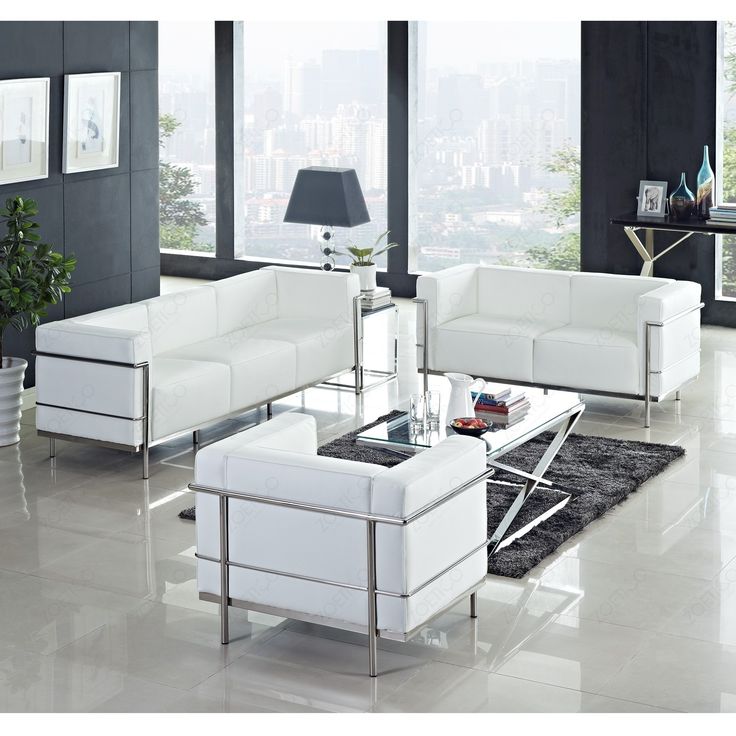
4. Le Corbusier LC2 Sofa by Le Corbusier
The LC2 Sofa, introduced in 1928, is a hallmark of modernist design. Created by Le Corbusier, along with Charlotte Perriand and Pierre Jeanneret, the LC2 Sofa is known for its clean lines and industrial aesthetic. Its external steel frame contrasts with the plush leather cushions, emphasizing both form and function.
This sofa was revolutionary for its time, challenging traditional furniture design by placing the structure on the outside. The LC2 remains a timeless piece that embodies the modernist movement’s principles of simplicity and practicality.
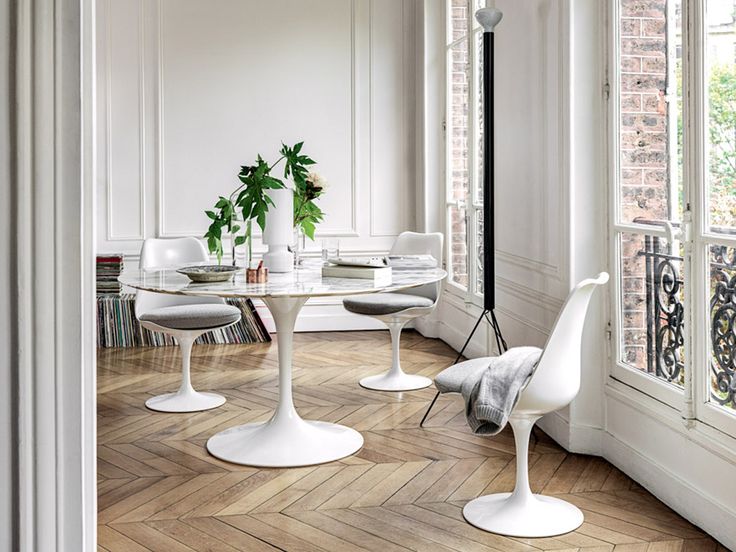
5. Tulip Chair by Eero Saarinen
The Tulip Chair, designed by Eero Saarinen in 1955, is a futuristic piece that redefined chair design. Saarinen wanted to eliminate the “slum of legs” found in traditional furniture, leading to the creation of this single-pedestal chair. Its sleek, sculptural form and use of innovative materials like fiberglass and aluminum make it a standout piece.
The Tulip Chair’s elegant silhouette and versatile design have made it a staple in modern interiors. It pairs perfectly with Saarinen’s matching Tulip Table, creating a cohesive and minimalist look.
Conclusion
These five iconic furniture pieces—the Eames Lounge Chair, Barcelona Chair, Egg Chair, Le Corbusier LC2 Sofa, and Tulip Chair—represent the pinnacle of design innovation. Each piece reflects the vision and creativity of its creator, blending beauty, functionality, and timeless appeal. Whether in homes, offices, or public spaces, these designs continue to inspire and captivate, proving that great design is truly timeless.
“These iconic furniture pieces are not just objects; they are testaments to the enduring power of design, inspiring generations of creators and continuing to shape the way we live and work.”