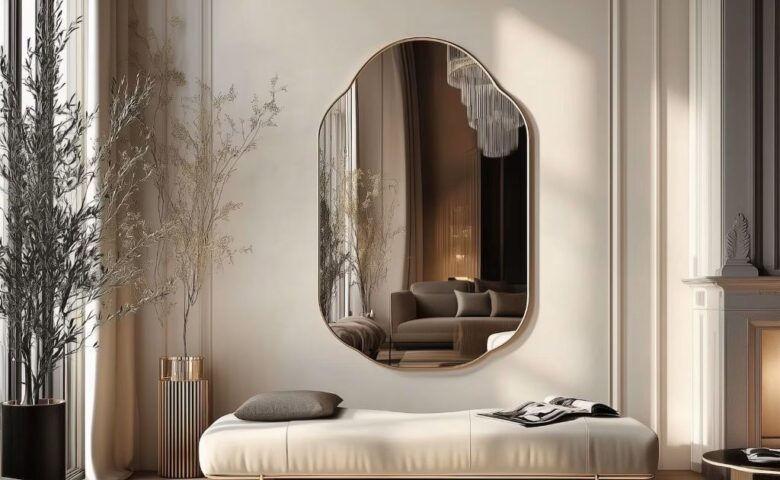
Mirrors are among the most versatile and functional elements in interior design. Decorating with mirrors not only adds a practical touch to your space but also provides numerous visual benefits that elevate the overall look and feel of your home. Whether you’re enhancing a compact apartment or a spacious house, mirrors have the power to transform a room with their unique properties. In this blog, we’ll delve into the visual and practical benefits of decorating with mirrors and how they can redefine your living spaces.
1. Create the Illusion of Space
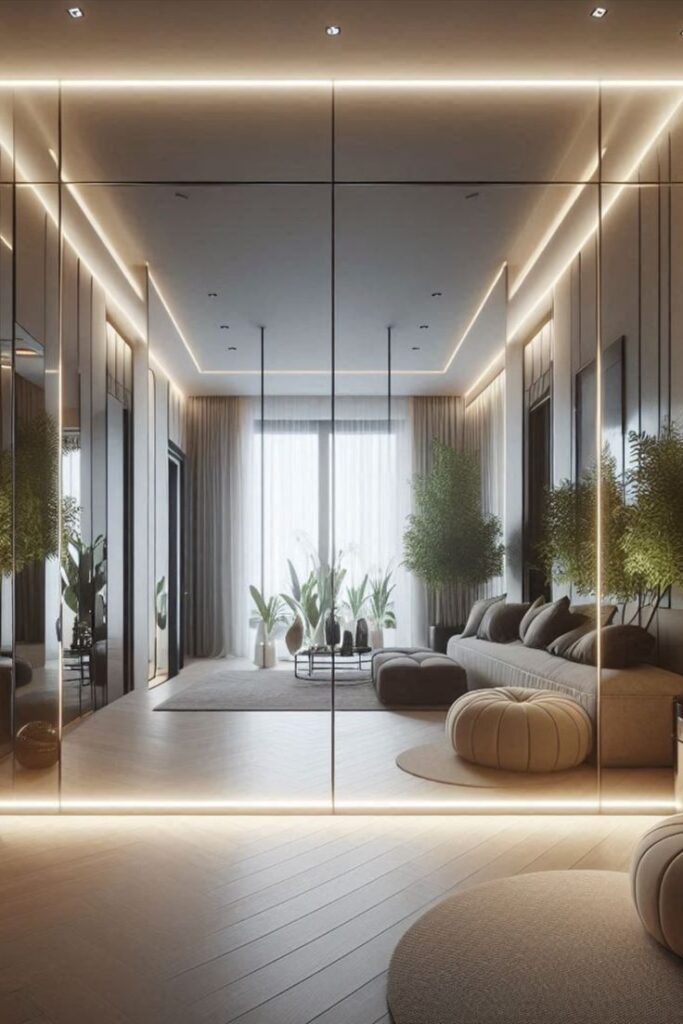
One of the most powerful ways mirrors can impact your interior design is by making a room feel larger and more open. If you have a small room or a space that feels cramped, placing a mirror on one of the walls can visually expand the area. The reflective surface of the mirror bounces light around the room, making it feel brighter and airier.
For example, placing a large mirror on a wall opposite a window can amplify natural light and create the illusion of a bigger, more expansive space. This is particularly useful in apartments or smaller homes where maximizing space is important.
2. Enhance Natural Light
Mirrors are excellent at reflecting light, whether it’s natural sunlight or artificial lighting. In rooms that don’t receive much natural light, mirrors can help spread available light more evenly throughout the space. This can brighten up darker corners or dim rooms, creating a more welcoming and livelier atmosphere.
If your living room or bedroom feels a bit dull or lacks sunlight, try placing mirrors near windows or light sources. A well-placed mirror can help reflect light back into the room, making it feel warm and inviting.
3. Add Style and Elegance
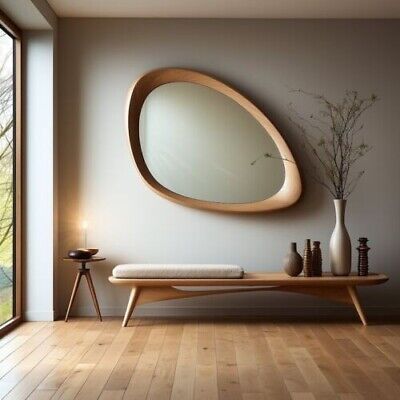
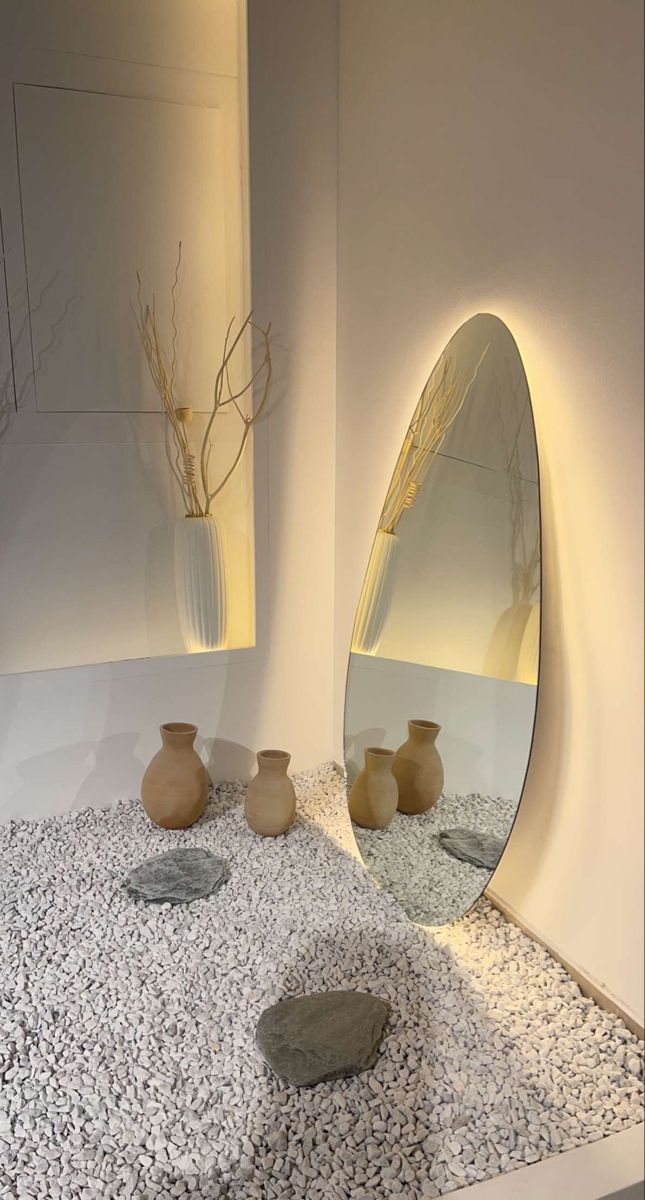
Mirrors can be a stylish addition to any room. They come in various shapes, sizes, and designs, making it easy to find one that fits your style and the aesthetic of your space. Whether you’re aiming for a modern, minimalist look or a more traditional, ornate design, there’s a mirror that will complement your decor.
A beautifully framed mirror can serve as a statement piece above a fireplace, in a hallway, or as the focal point of a dining room or living area. Mirrors can also be used in creative ways, such as in mosaic designs or as part of a gallery wall, adding layers of texture and interest to the space.
4. Create a Focal Point
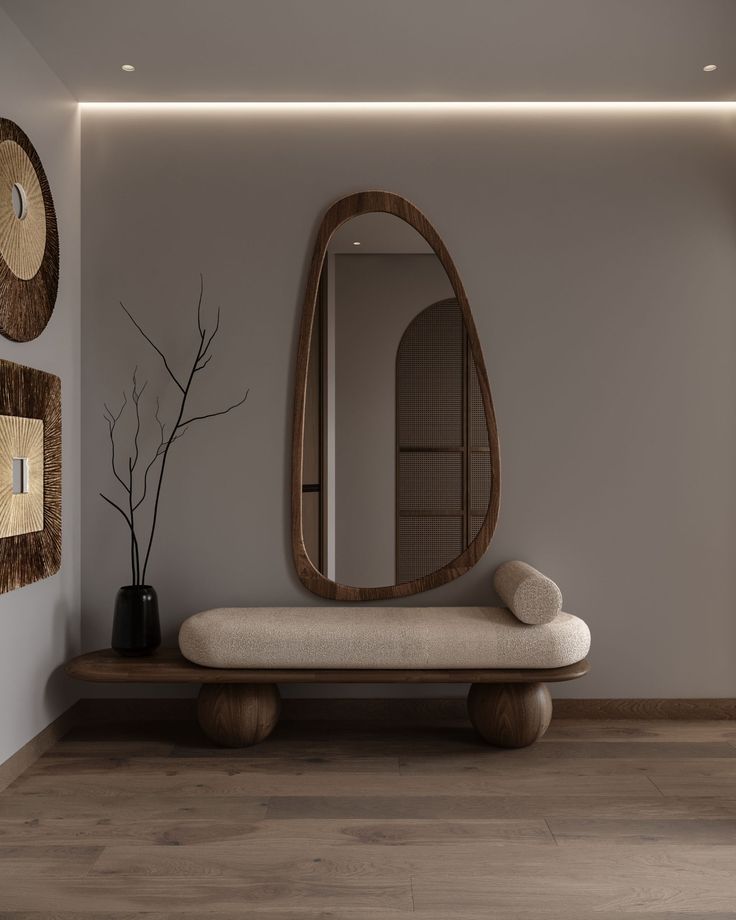
Mirrors can also be used to create a focal point in a room. If you have a blank wall that feels empty or underwhelming, placing a mirror in the center can draw attention and add a touch of sophistication. Large, decorative mirrors work especially well in living rooms or entryways, creating an eye-catching feature that anchors the room.
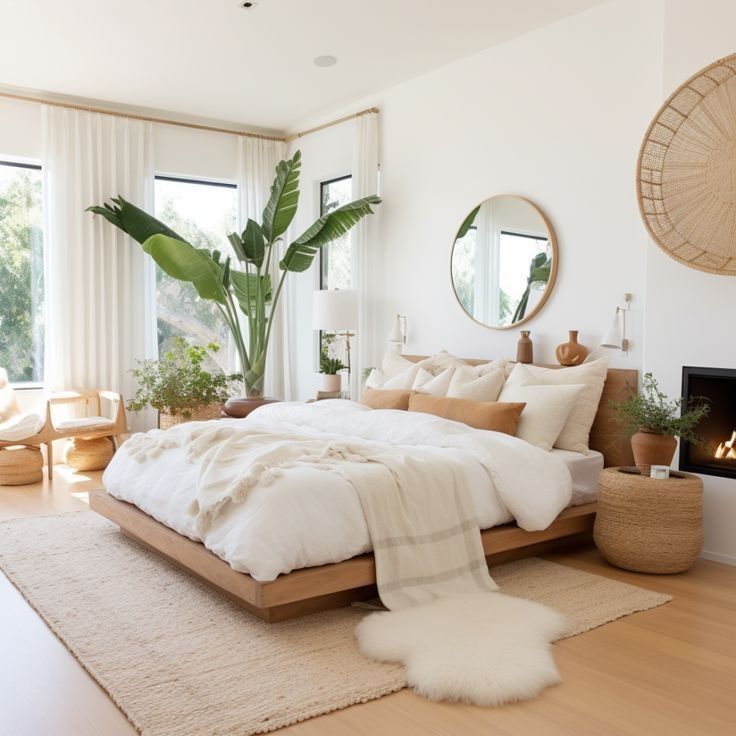
In bedrooms, a mirror above the bed or a statement mirror on a feature wall can add an elegant touch without overwhelming the space. The reflective surface draws the eye and can become a conversation starter in your home.
5. Practical Functionality
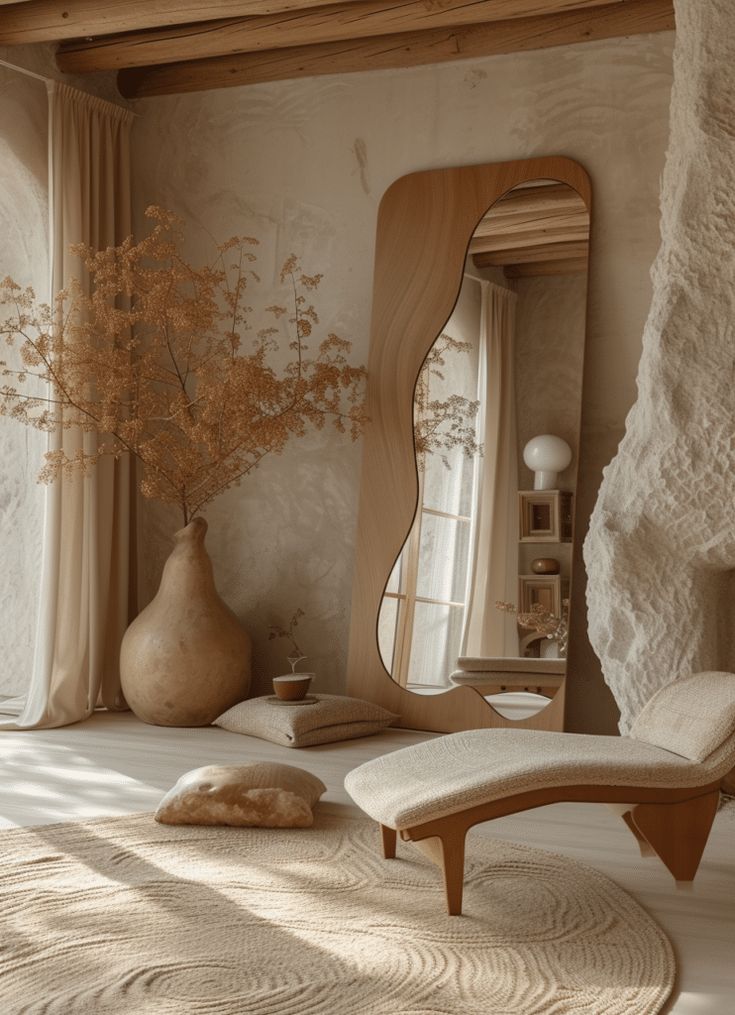
Aside from their aesthetic benefits, mirrors serve many practical purposes. They are essential in areas like bathrooms, dressing rooms, and entryways, where you need to check your appearance before leaving the house. A full-length mirror in a hallway or bedroom is not only a functional necessity but also an attractive design element.
Mirrors can also be placed in spaces like closets or wardrobes to help with dressing and organizing. Smaller mirrors above dressers or vanity tables provide a convenient spot to do your makeup or grooming, while still adding to the overall decor.
6. Create Depth and Dimension
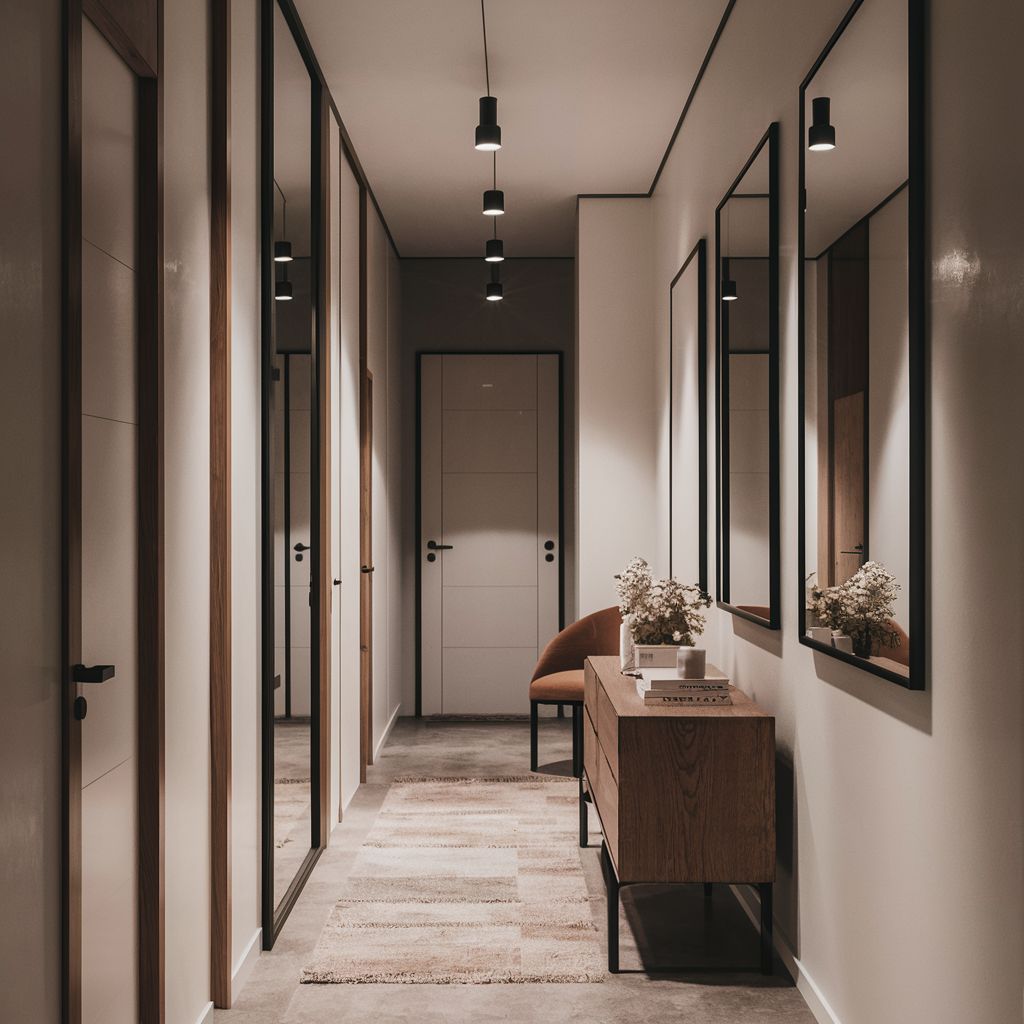
Mirrors can add depth and dimension to a room, especially in spaces that may feel flat or lacking in visual interest. For example, if you have a narrow hallway or a long room, placing mirrors strategically can break up the space and create the illusion of greater depth. This technique helps draw the eye across the room, making the space feel more balanced.
Mirrors can also highlight artwork, furniture, or architectural features, making them stand out and adding layers to the room’s design. The reflection adds a sense of richness, giving the space more character and vibrancy.
7. Add a Sense of Luxury
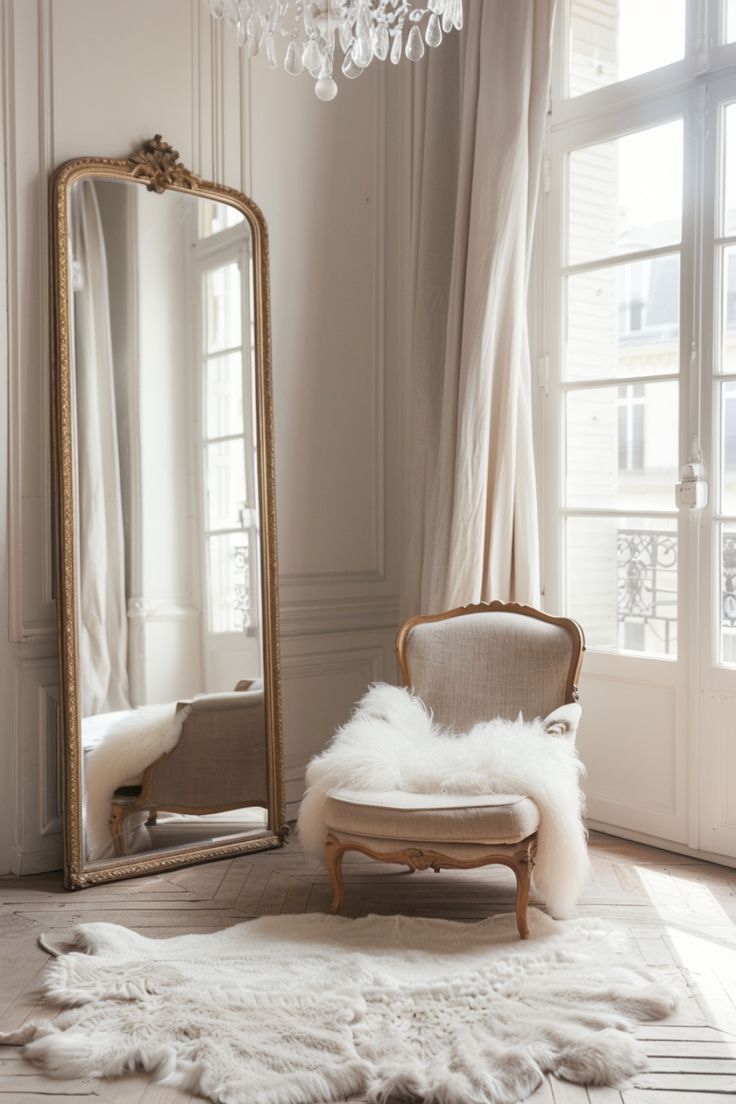
Mirrors, especially those with intricate frames or large sizes, can add a sense of luxury to your home. They can make a room feel more polished and sophisticated. A well-chosen mirror has the power to elevate a room’s design, creating an elegant and high-end feel. In dining rooms, living rooms, or hallways, a large, framed mirror can give your space an instant makeover, making it feel more refined and stylish.

Conclusion
Mirrors are a versatile and valuable tool in interior design. Not only do they serve a functional purpose, but they also have the ability to transform the look and feel of a room. By creating the illusion of space, enhancing light, adding style, and acting as a focal point, mirrors can improve both the aesthetic and practical qualities of your home. So, whether you want to make a small room feel larger, brighten up a dark corner, or simply add a touch of elegance to your decor, consider using mirrors as a key element in your design. With their wide range of benefits, mirrors are a simple yet powerful way to elevate any space.