When it comes to designing a home, choosing the right furniture is just the beginning. The colors you select for your furniture play a crucial role in shaping the overall atmosphere and mood of a room. Whether you’re decorating a living room, bedroom, or office, the colors of your furniture can influence how you feel and how others experience the space. The psychology of color is a powerful tool that can help you create a space that aligns with the emotions and energy you want to evoke. In this blog, we’ll explore how different furniture colors impact the mood and energy of a space.
1. Red: Energy and Passion
Red is a bold, vibrant color that instantly grabs attention. It’s often associated with excitement, passion, and energy. In a room with red furniture, such as a sofa or armchair, you can expect the space to feel lively and full of action. It’s a great color choice for living rooms or social spaces where you want to encourage conversation, creativity, and connection.
However, because red is an intense color, it can also evoke feelings of aggression or restlessness if overused. To balance its energy, consider using red in moderation or pairing it with calming colors like beige or gray. A red accent chair or throw pillow can add a pop of energy without overwhelming the space.

2. Blue: Calm and Relaxation
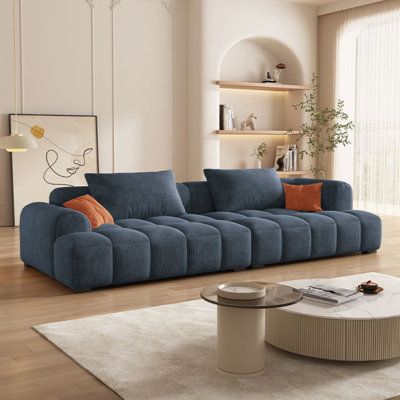
Blue is a color that promotes calmness and relaxation. It’s often linked to tranquility, trust, and serenity, making it a perfect choice for bedrooms, bathrooms, or any space where you want to unwind. Blue furniture, such as a soft blue sofa or a navy bed frame, can help create a peaceful environment that encourages restful sleep and stress relief.
Lighter shades of blue, like powder blue or pastel blue, can make a room feel airy and open, while deeper blues, such as navy or indigo, add sophistication and coziness. Blue is also known to lower heart rate and blood pressure, which is why it’s often used in spaces meant for relaxation.
3. Yellow: Happiness and Warmth
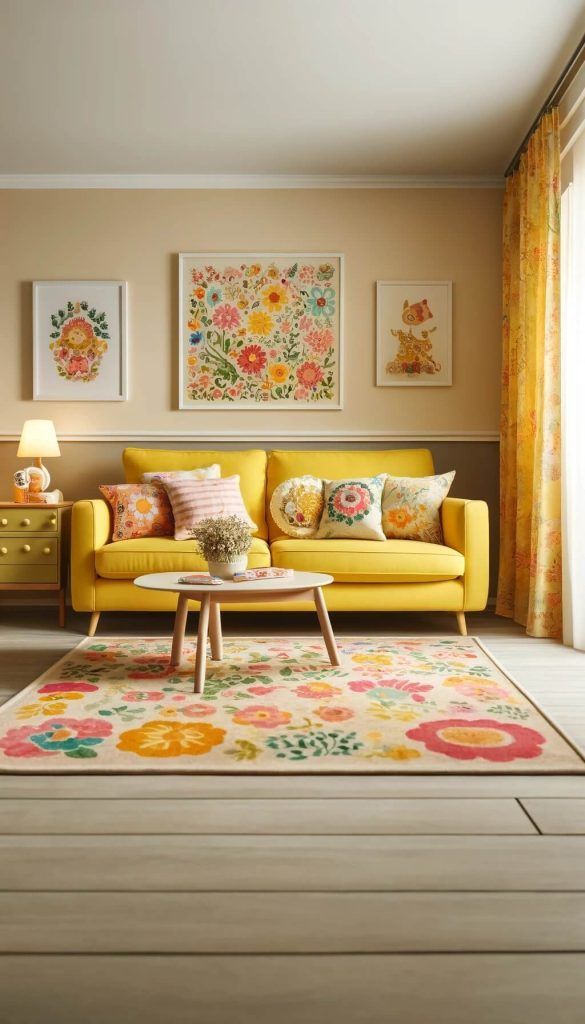
Yellow is a cheerful and uplifting color that instantly adds warmth and positivity to a room. It’s associated with happiness, optimism, and creativity, making it a great choice for spaces like kitchens, playrooms, or home offices. A yellow accent chair or a golden-hued sofa can brighten up the room and create an inviting atmosphere.
However, too much yellow can lead to feelings of anxiety or frustration, as it’s a stimulating color. To avoid this, balance yellow furniture with neutral tones, like white or gray, to keep the energy light and pleasant. Warm, golden yellows work best for creating a cozy and welcoming vibe.
4. Green: Balance and Harmony
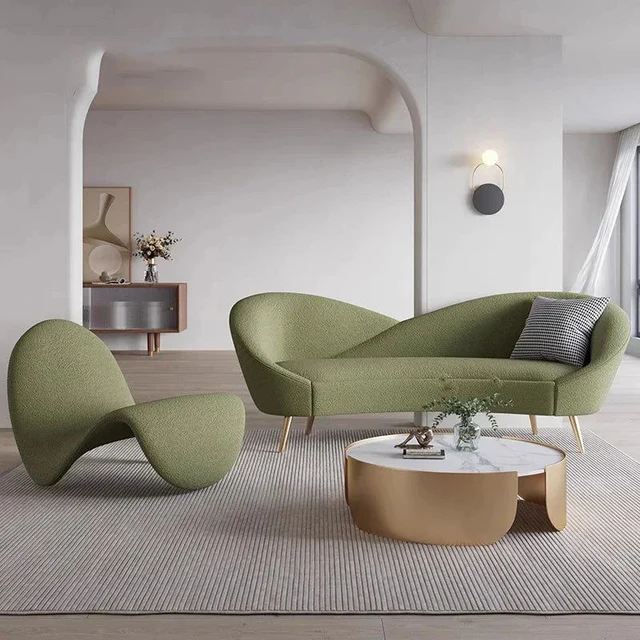
Green is a color that represents balance, growth, and nature. It’s associated with health, renewal, and peace, making it an excellent choice for living rooms, study areas, or even home offices. Furniture in shades of green, such as an olive green armchair or a sage green ottoman, can bring a sense of calm and harmony to the space.
Green is a versatile color that pairs well with many other tones, including neutrals, browns, and even bold colors like red or orange. It’s perfect for creating a relaxing environment that promotes well-being and concentration. Green also evokes feelings of connection to the natural world, making it a great choice if you want to bring a bit of the outdoors inside.
5. Grey: Neutrality and Sophistication
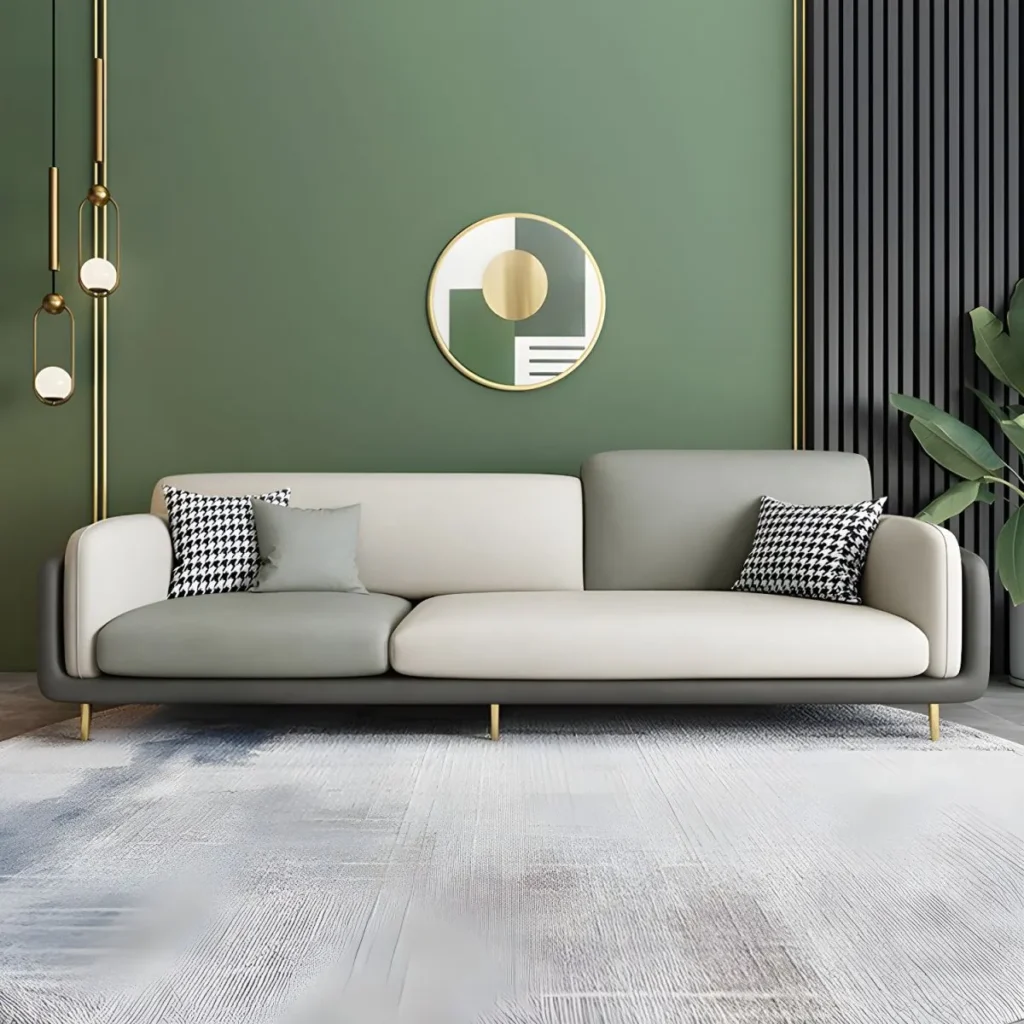
Grey is a neutral color that is both calming and sophisticated. It’s often used in modern or minimalist design to create a sleek and elegant look. Grey furniture, such as a charcoal grey sofa or a silver-grey coffee table, can provide a balanced backdrop for other colors and allow accent pieces to stand out.
While grey is often seen as a “safe” or “boring” color, it can actually have a subtle yet powerful impact on a space. It’s ideal for creating a refined atmosphere without being too overpowering. Lighter greys can make a room feel airy and open, while darker greys add depth and drama. To keep the space from feeling too cold or dull, pair grey furniture with warmer tones or textures, like wood, leather, or soft textiles.
6. Brown: Warmth and Stability
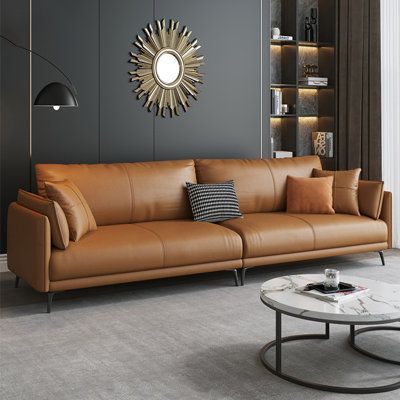
Brown is a warm, grounding color that exudes stability, comfort, and reliability. It’s a color often associated with nature and earthiness, making it a great choice for rustic or traditional interiors. Furniture in brown tones, such as a leather sofa, wooden dining table, or brown upholstered chairs, adds warmth and a sense of permanence to a room.
Brown is a versatile color that complements almost any other color, from bright hues like yellow and orange to cooler shades like blue or green. It’s a great choice for creating cozy, inviting spaces, such as living rooms or bedrooms, where comfort and relaxation are key.
7. White: Cleanliness and Simplicity
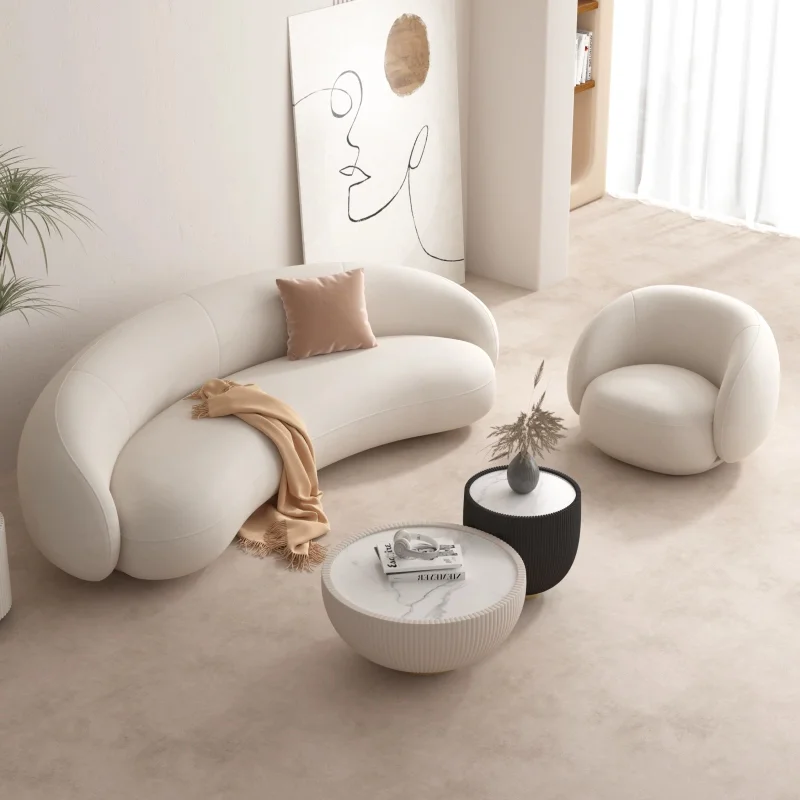
White is the color of purity, simplicity, and cleanliness. It’s often used in modern or minimalist designs to create a fresh and open feeling. White furniture, like a white sectional sofa or a white bed frame, can make a small room feel larger and brighter by reflecting light and creating a sense of space.
While white furniture can make a room look crisp and elegant, it requires regular maintenance to keep it looking fresh. It’s ideal for those who love a clean, streamlined look and are willing to put in a little extra effort to maintain it. To prevent the space from feeling too stark, consider adding colorful accents through pillows, rugs, or wall art.
Conclusion
The colors of your furniture have a powerful impact on the mood and energy of a room. Whether you want to create a relaxing retreat with blues and greens or an energizing space with reds and yellows, understanding the psychology of color can help you choose the right hues for your home. By selecting furniture in colors that reflect your personality and the atmosphere you want to create, you can design spaces that not only look beautiful but also make you feel happy, relaxed, and energized. So, next time you’re redecorating, think about the color palette you want to surround yourself with—and the mood you want to set in your space.